
World Pre-eclampsia Day: Centering Lived Experiences to Shape Maternal Health Solutions
This World Pre-eclampsia Day (22 May), we reflect not only on the urgent need to prevent maternal deaths, but also on the importance of listening to the women and communities most affected by them.
Every year, nearly 76,000 women and more than 500,000 babies lose their lives to pre-eclampsia and other hypertensive disorders of pregnancy. Despite being preventable and treatable, pre-eclampsia remains one of the leading causes of maternal and newborn illness and death, particularly in low- and middle-income countries.
Many of the tools needed to diagnose and manage pre-eclampsia already exist. Yet for many women, access remains shaped by distance, cost, shortages, inconsistent care, and limited awareness.
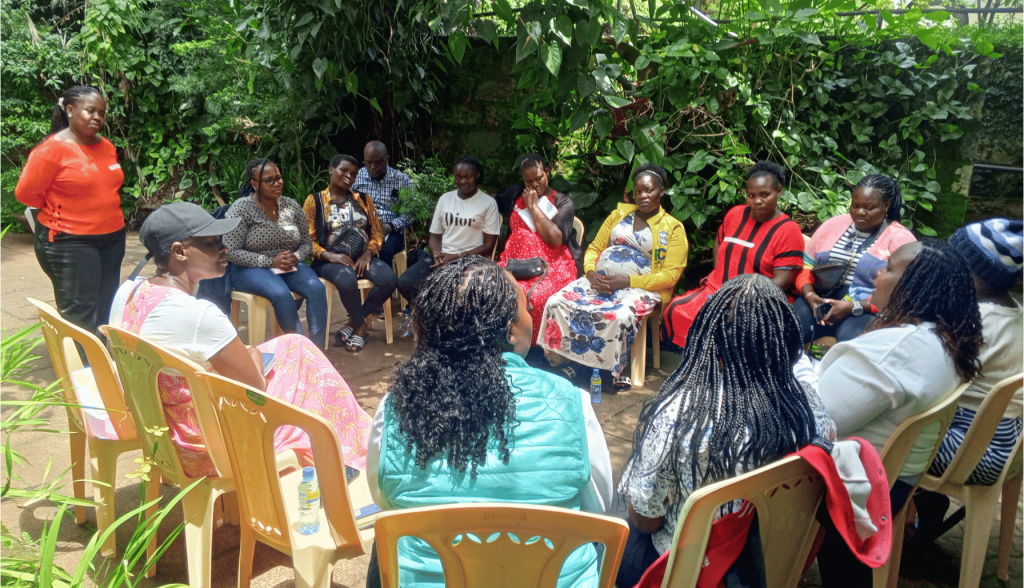
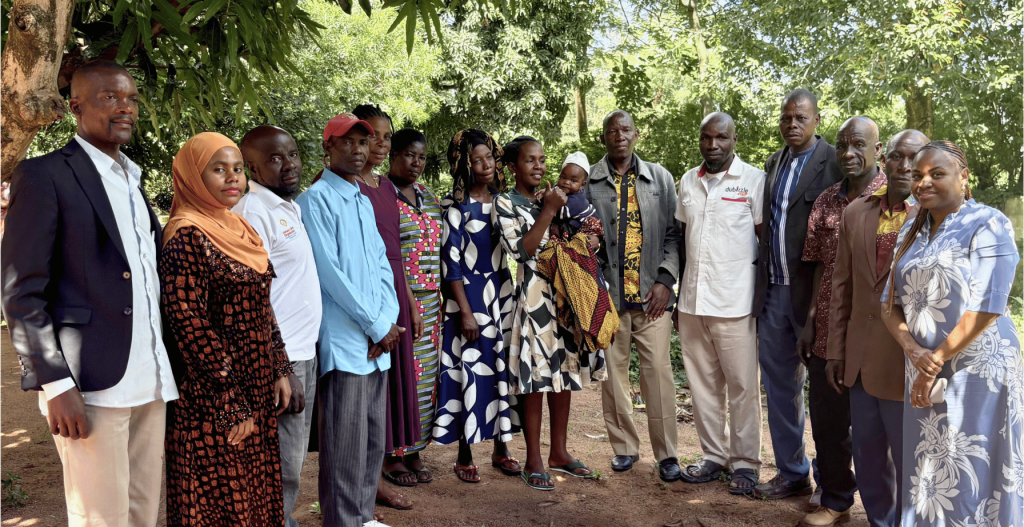
Research shows that integrating the lived experiences of women and affected communities directly shapes better maternal health solutions. Building on this understanding, WACI Health, through our role in the Unitaid-funded SUPREME Secure project, recently partnered with Action on Preeclampsia Ghana (APEC Ghana), Zuri Nzilani Foundation, and Thrive Beyond Preeclampsia Foundation to deliver Focus Group Discussions in Ghana, Kenya, and Tanzania.
These discussions brought together more than 60 participants across the three countries, including pregnant women, survivors of pre-eclampsia, community health workers, community leaders, and other community representatives, ensuring a diverse range of perspectives and lived experiences.
The aim was to better understand how women experience screening, diagnosis, treatment, and care in their everyday realities, and what this means for the delivery of lifesaving maternal health tools.
“Women often arrive only after symptoms become severe”
Across Ghana, Kenya, and Tanzania, participants described how pre-eclampsia is frequently detected late, often only after symptoms such as swelling, headaches, dizziness, or blurred vision become severe.
Several women described diagnosis as largely reactive rather than preventive, with many only receiving care once complications had already developed.
Community health workers also highlighted the challenges they face: Many explained that they often rely on visual observation alone, because they lack portable diagnostic tools and sufficient equipment needed to support early screenings.
Distance, cost, and tools that are not always fit for purpose
Participants repeatedly highlighted transport costs, long waiting times, and equipment shortages as major barriers to timely care.
Women and community health workers described shortages of blood pressure machines at clinics and district hospitals, with some facilities reportedly operating with only one or two devices for large numbers of patients. Beyond this, participants also raised concerns about whether existing tools are truly designed for the realities of the communities and health systems where they are being used.
In Kenya, women described experiences with poorly maintained or unreliable blood pressure machines, including malfunctioning battery-operated devices and cuff sizes that were not always suitable for all body types. These concerns undermined confidence in screening results and contributed to delayed diagnoses.
Community health workers also highlighted the hidden costs of maintaining diagnostic equipment. Some reported personally purchasing batteries or covering minor repair costs to keep blood pressure devices functioning during household visits. For frontline workers already operating with limited resources, this creates an additional burden and can interrupt consistent screenings at community level.
Trust, communication, and community-based care matter
The discussions also revealed how trust, information, and community-based support shape women’s experiences of care during pregnancy.
Women described anxiety about taking medication during pregnancy, particularly when they were not given enough information about why medicines had been prescribed or whether they were safe for their babies. Others spoke about stopping treatment because of side effects or uncertainty about the importance of continuing medication. These experiences reinforced how critical respectful communication, counselling, and trusted support systems are in maternal health care.
Across all three countries, community health workers emerged as some of the most trusted actors for maternal health care because they are accessible, familiar, and embedded within their communities. However, community health workers themselves reported feeling under-equipped to meet the scale of need.
Participants called for stronger investment in community-based screening, more diagnostic devices, and continuous training for frontline health workers.
Listening to lived experience must shape maternal health solutions
One message came through clearly across the discussions: no woman wants to risk her life or that of her baby, but many still face barriers that make timely care difficult to access.
The Focus Group Discussions reinforced the important lesson that maternal health solutions must be shaped not only by clinical evidence, but also by lived experience. By listening to women and affected communities, we can help ensure that lifesaving diagnostics and treatments are accessible, trusted, affordable, and responsive to the realities women face every day.
The findings from the discussions will play a critical role in informing the SUPREME Secure project’s initial market assessment of maternal health products and technologies. Throughout the SUPREME Secure project, WACI Health will be working alongside partners to support further community and civil society engagement activities, including the establishment of Community Advisory Boards, ensuring that future strategies and interventions are grounded in real community needs and experiences.
This World Pre-eclampsia Day, WACI Health reaffirms our commitment to amplifying community voices and ensuring that women are active partners in shaping maternal health solutions.
Join us in calling for stronger investments in improving access to quality maternal and newborn health products, sustained support for frontline workers and community-based maternal health, and policies, interventions, and tools shaped by the women and communities most affected.
No one should die from a condition we know how to prevent and treat.
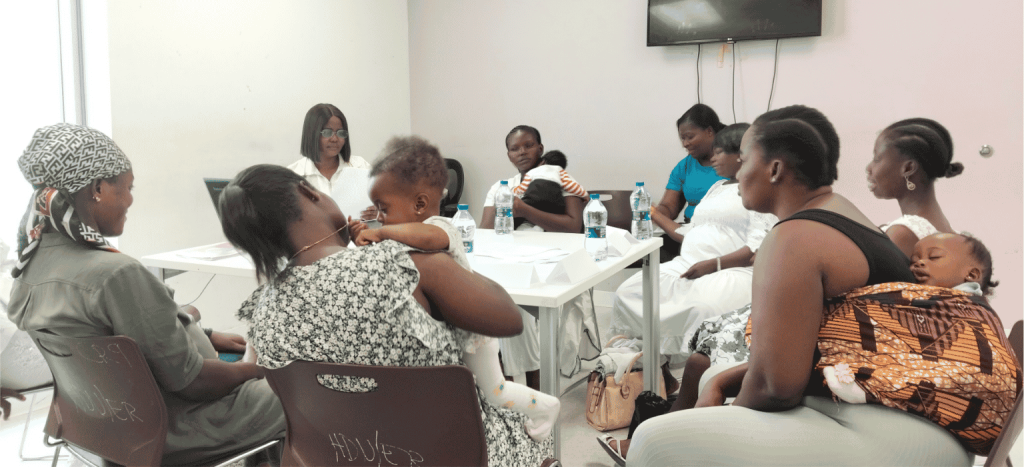
WACI Health extends immense thanks to Koiwah Koi-Larbi (APEC Ghana), Ashley Muteti (Zuri Nzilani Foundation, Kenya), and Catherine Kakolo Mongella (Thrive Beyond Preeclampsia Foundation, Tanzania) for their collaboration and facilitation of the Focus Group Discussions.