The next Global Fund Executive Director: what African communities and civil society want to see
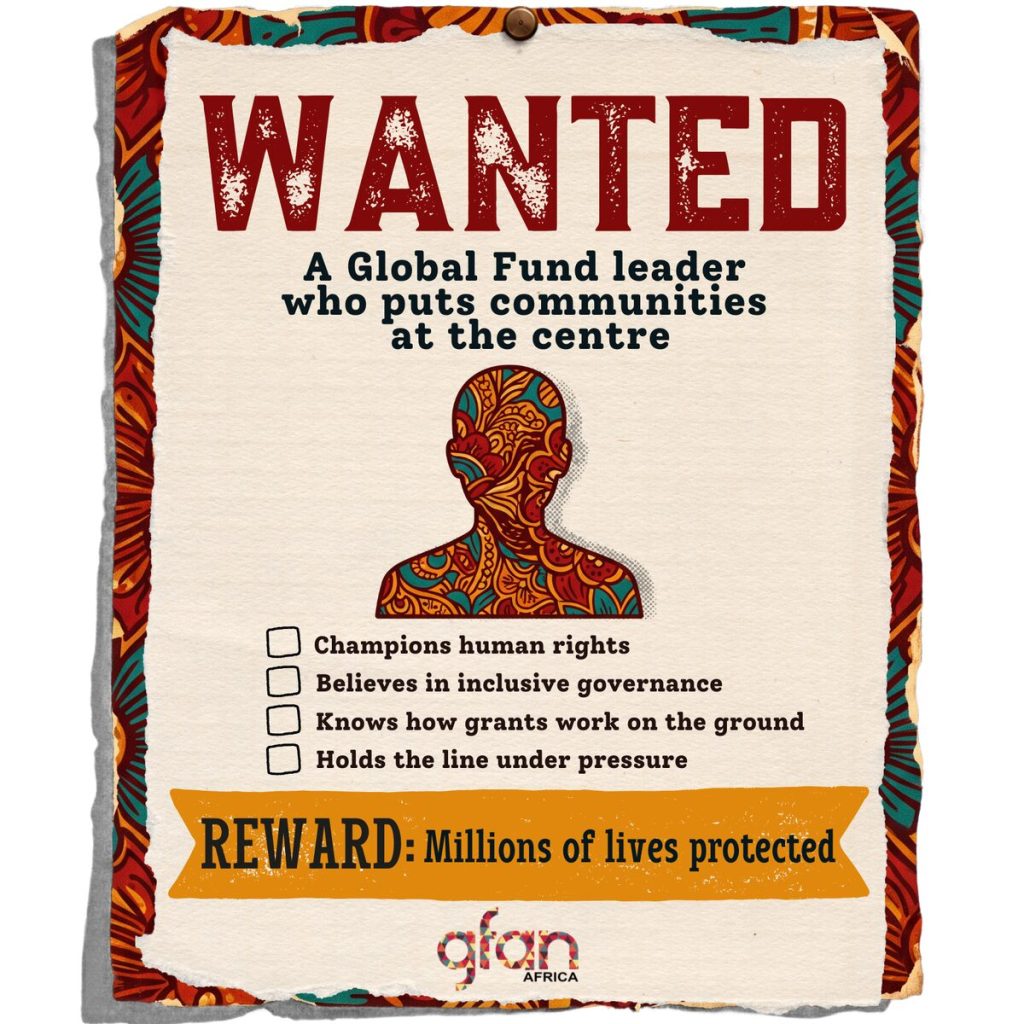
African communities and civil society want an Executive Director who will put communities, rights and African leadership at the centre of the Global Fund partnership.
The Global Fund Board chooses its next Executive Director at the October Board meeting. That person will lead the Global Fund into its next strategy, the ninth replenishment, and transition for many countries.
This note sets out the values and qualities the Global Fund Advocates Network (GFAN) Africa wants Board constituencies to weigh as they decide on a future that affects us all.
Why this appointment matters for Africa
This appointment comes at a defining moment for global health, and for the African continent in particular. The next Executive Director will take decisions that shape the partnership for years. They will appoint much of the executive team, lead the process for the post-2027 strategy, and inherit transition timelines already accelerated for some countries.
The task is to not only sustain funding but also, to sustain the role civil society and communities have long played in the Global Fund partnership as the global health architecture evolves. The gains of the past two decades were built with communities as architects. The next leader must protect that work.
The Global Fund should continue to be a catalytic partner for the Africa health sovereignty agenda with investments that align with national health priorities, plans and systems; help countries mobilise sustainable domestic financing for health; and protect the leadership of communities and civil society in shaping, delivering and holding these responses to account.
What the Executive Director must stand for
- Communities at the centre:
As budgets tighten, accountability matters even more.
We want a leader who treats community systems as core to the Global Fund mission and protects them through funding cuts. - Inclusive governance:
Communities and civil society hold voting seats on the Global Fund Board.
Its next leader should believe in that model and use the authority of the office to advance it into country decision-making and transition planning, and across a new global health architecture. - Rights, gender and key populations:
Community, rights and gender work must return to the centre of the Fund’s investments.
We want a leader who champions human rights and gender equality, including for key populations, and holds that line under pressure. - Knowledge of implementing countries:
The next Executive Director needs first-hand knowledge of how grants work on the ground, including on rural health systems, conflict-affected settings, and for countries preparing to transition.
In Africa, that includes debt burdens and the cost of capital, climate shocks, displacement, and policies that keep key populations away from services. It also means knowing the continental agenda well enough to be a credible partner to the African Union, Africa CDC, and the African Constituency Bureau.
Leading through hard decisions
The next few years will bring fewer resources and harder choices. We want an Executive Director who sets clear red lines on what the Fund will protect.
Communities should be part of those decisions before they are made. When cuts or changes affect them, they should hear it from the Fund directly, with time to respond.
The Executive Director should enable:
- transition plans tailored to each country’s risks, including debt, conflict, climate and legal barriers
- community leadership written into transition planning as a requirement
- direct funding for communities and civil society
- domestic financing strategies that sustain the community systems the Fund helped build
Where accelerated timelines put people’s lives at risk, they should be revisited.
What we expect in the first year
- Appointments that bring African and community expertise into the executive team
- Roadmap for how communities and civil society will shape the 2028 strategy
- A consultation roadmap for the rapid community protection fund strategic initiative, with a seat for key and vulnerable populations
- Transition plans that acknowledge the role of communities
- Feedback from communities themselves that the Executive Director is listening